
Virtual Reality is no longer the future. It's already here – reshaping how students in engineering, medical, and science programs learn and engage.
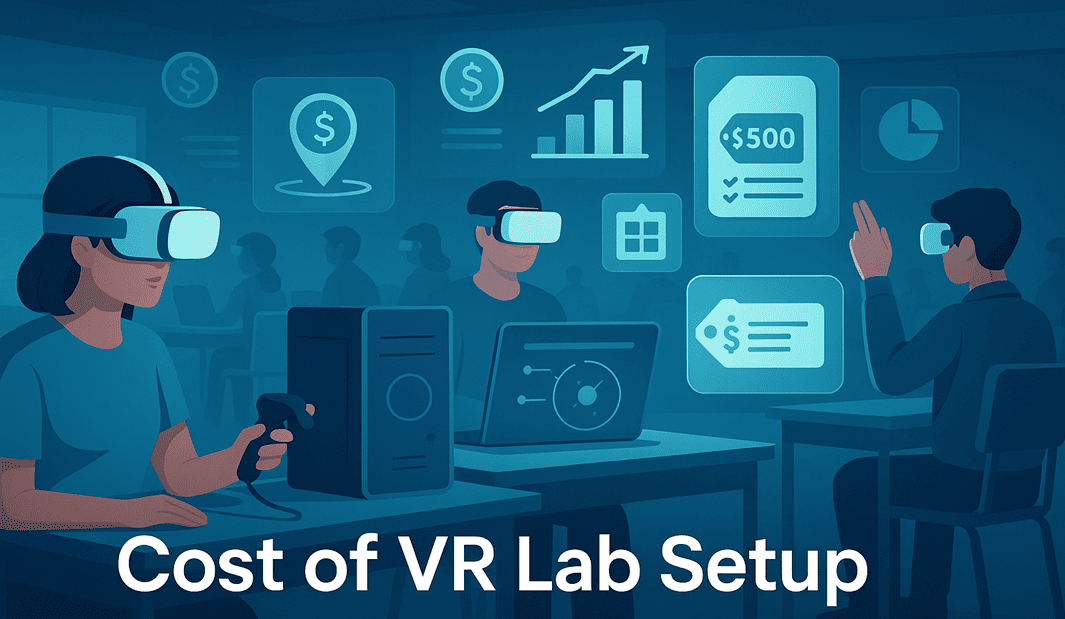
How much does it cost to set up a VR lab in a college or university?
Whether you're a dean planning your next infrastructure investment, a department head driving innovation, or a vice-chancellor seeking strategic upgrades, this guide is for you. We break down the costs of VR classrooms, equipment, and educational software in a way that’s clear, actionable, and aligned with today’s academic goals.
The Growing Demand for VR Labs in Higher Education
• Over 90% of educators believe immersive technologies will significantly impact higher education within 5 years (Educause, 2024).
• Universities with VR labs report a 30–50% increase in student engagement in complex topics like anatomy, engineering simulations, and scientific processes.
Investing in a VR lab is no longer just a tech upgrade. It’s a strategic move to stay competitive, increase enrollment, and deliver better learning outcomes.
What is a VR Lab in an Academic Setting?
A VR lab is an immersive learning environment equipped with:
1. VR-ready hardware (headsets, controllers, PCs)
2. VR educational software/modules (subject-specific simulations)
3. VR classroom infrastructure (space design, internet, safety, and seating)
4. Support & maintenance systems
It’s designed for practical, curriculum-mapped learning across fields like:
• Mechanical & Civil Engineering
• Medical & Nursing Education
• Physics, Biology & Chemistry
Cost of VR Lab Setup for Colleges and Universities
The average cost of a VR lab setup for a mid-sized college classroom (20–25 students) ranges between $20,000 to $80,000, depending on scale, software, and hardware preferences.
| Component | Estimated Cost (USD) |
|---|---|
| VR Headsets (10–15 units) | $5,000 – $12,000 |
| High-performance PCs/Laptops | $8,000 – $20,000 |
| Educational VR Software Licenses | $2,000 – $10,000 |
| Classroom Design & Infrastructure | $2,000 – $6,000 |
| Installation & Integration Services | $2,000 – $5,000 |
| Maintenance & Support (Annual) | $1,000 – $3,000 |
| Total Estimated Setup Cost | $20,000 – $80,000 |
VR Classroom Infrastructure Cost
Setting up a VR lab involves more than just buying headsets. Infrastructure planning includes:
• Space optimization for student safety and mobility
• Power backup and wiring for multiple systems
• Ventilation and lighting adjustments for immersive experiences
• Network bandwidth to support multi-user VR applications
Estimated range: $2,000 to $6,000 or more depending on site conditions.
VR Lab Setup Requirements: Hardware & Equipment
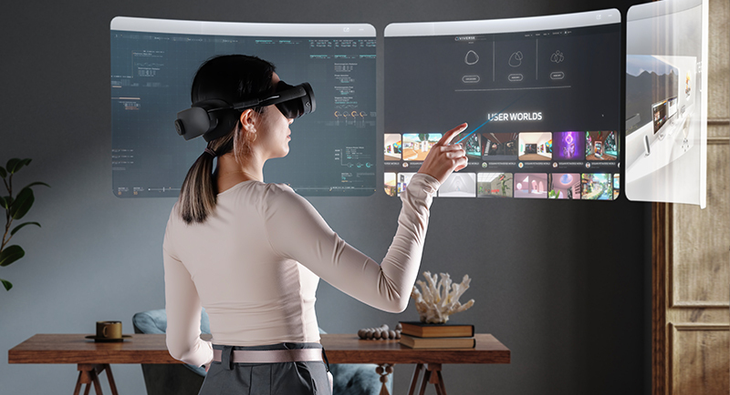
Here’s what a basic but scalable VR lab looks like:
1. Hardware Essentials:
• VR Headsets (Meta Quest 3, HTC Vive, Pico, etc.)
• Controllers and motion sensors
• VR-ready PCs with NVIDIA RTX GPUs
• Charging stations and cables
2. Optional Add-ons:
• Haptic feedback systems
• Room-scale tracking sensors
• VR-compatible desks/chairs
Budget: $10,000 – $30,000
Cost of Educational VR Hardware
| Hardware Component | Cost per Unit (USD) |
|---|---|
| Meta Quest 3 | $500 – $600 |
| HTC Vive Pro | $900 – $1,200 |
| VR-ready PC | $1,200 – $2,000 |
| Workstation Chair | $200 – $400 |
| Storage/Charging Rack | $300 – $500 |
*You can save up to 25% on bulk education bundles from enterprise vendors.*
VR Modules Pricing for Education
iXR Labs offers curriculum-mapped VR modules in:
• Engineering (Mechanical, Civil, Electrical)
• Medical & Nursing
• Physics, Chemistry, Biology
Pricing Options:
• Per Module License: $300 – $1,000/module/year
• Annual Package (10–30 modules): $5,000 – $15,000/year
• Custom Curriculum Bundles: On request
Tip: Bundles reduce per-module cost by up to 40%.
VR Lab Installation Services
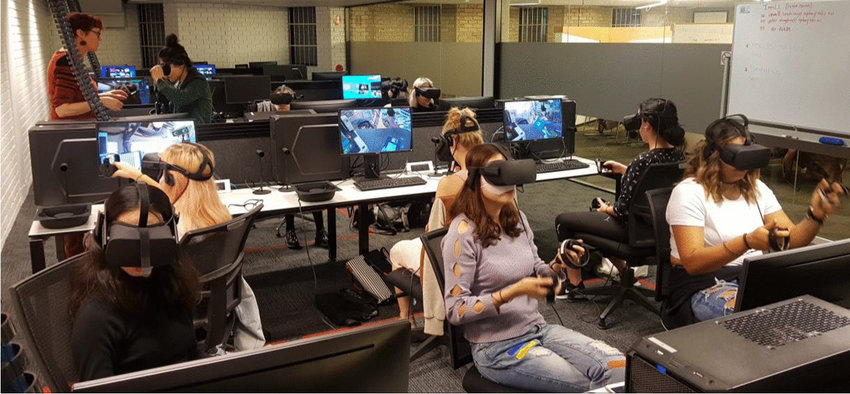
Includes hardware setup, software installation, instructor training, and support planning.
Cost Range: $2,000 – $5,000
Hidden Costs Colleges Often Miss
• Faculty Training Workshops ($500 – $2,000)
• Annual Maintenance Contracts
• Content Updates/Upgrades
• Extended Warranties on hardware
Budgeting Tips for University Administrators
1. Start Small & Scale
2. Apply for EdTech Grants
3. Choose Curriculum-Mapped Content
4. Bundle Hardware + Content
5. Plan for Upgrades Every 2–3 Years
Is the Investment Worth It?
VR boosts knowledge retention by up to 75%. Colleges report:
• Higher student satisfaction
• Better hands-on learning
• Competitive admissions edge
The ROI is academic, reputational, and strategic.
Why iXR Labs is the Ideal Partner for Your VR Lab Setup
• Turnkey VR lab solutions
• 150+ curriculum-mapped modules
• Custom content development
• Hardware + software bundling
• Instructor training and support
Ready to Build Your VR Lab?
Building a VR lab doesn’t have to be overwhelming. With the right insights, partners, and planning, your institution can lead the next wave of immersive education.
Book a free 30-minute consultation today and get your custom VR lab estimate.